The Pink Hoya Plant: A Guide to Growing and Caring for this Beautiful Succulent
As a plant enthusiast, I'm always on the lookout for unique and beautiful plants to add to my collection. Recently, I came across the Pink Hoya Plant, also known as the Hoya kerrii 'Variegata'. This stunning succulent has become increasingly popular in recent years, thanks to its attractive pink-tinged leaves. If you're considering adding a Pink Hoya Plant to your own collection, then this guide is for you!
The Pink Hoya Plant is a tropical succulent that's native to Southeast Asia. It's a member of the Hoya family, which includes over 200 species of flowering plants. The Pink Hoya Plant is known for its waxy, heart-shaped leaves that are typically green with pink or white variegation. This plant produces small clusters of star-shaped flowers that are highly fragrant and attract pollinators like bees and butterflies.
One of the things that makes the Pink Hoya Plant so appealing is its ease of care. This plant is relatively low-maintenance, making it an excellent choice for both novice and experienced gardeners. In this guide, we'll cover everything you need to know about growing and caring for your own Pink Hoya Plant.
1. Choosing the Right Pot
When it comes to choosing the right pot for your Pink Hoya Plant, there are a few things to keep in mind. First, make sure the pot has good drainage holes to prevent water from pooling at the bottom. The Pink Hoya Plant prefers well-draining soil, so you'll want to avoid pots that retain too much moisture.
In addition to good drainage, you'll also want to choose a pot that's appropriately sized for your plant. The Pink Hoya Plant doesn't like to be root-bound, so you'll want to choose a pot that's slightly larger than the current root ball.
2. Soil and Fertilizer
The Pink Hoya Plant prefers well-draining soil that's rich in organic matter. A good potting mix for this plant should contain peat moss, perlite, and vermiculite. You can also add some sand or gravel to improve drainage.
When it comes to fertilizer, the Pink Hoya Plant doesn't require a lot of nutrients. In fact, too much fertilizer can harm the plant. A balanced, water-soluble fertilizer like a 10-10-10 or 20-20-20 formula is suitable for this plant. You can fertilize your Pink Hoya Plant once every two weeks during the growing season.
3. Watering
The Pink Hoya Plant is relatively drought-tolerant, so you don't need to water it very often. In fact, over-watering is one of the most common mistakes people make with this plant. You should only water your Pink Hoya Plant when the soil is completely dry. When you do water it, be sure to give it a thorough soaking, and allow any excess water to drain away.
4. Light Requirements
The Pink Hoya Plant prefers bright, indirect light. Direct sunlight can scorch the leaves, so it's best to place your plant in a location where it will receive filtered light or partial shade. If you notice that your plant's leaves are turning yellow or brown, it may be getting too much direct sunlight.
5. Temperature and Humidity
The Pink Hoya Plant prefers warm temperatures between 60-80°F (15-27°C). It's important to avoid exposing your plant to cold drafts or temperatures below 50°F (10°C). This plant also prefers high humidity levels, so you may need to mist it occasionally or place a humidifier nearby.
6. Propagation
One of the great things about the Pink Hoya Plant is that it's relatively easy to propagate. You can use stem cuttings or leaf cuttings to create new plants. To propagate using stem cuttings, simply take a 4-6 inch cutting from the tip of a healthy stem, and remove any leaves from the bottom two inches. Place the cutting in moist potting soil, and keep it in a warm, bright location. Within a few weeks, you should see new growth emerging.
7. Pruning
Pruning your Pink Hoya Plant can help to encourage bushier growth and prevent it from becoming too leggy. You can prune your plant at any time of year, but it's best to do so during the growing season. Use sharp, clean scissors or pruning shears to remove any dead or damaged leaves or stems, as well as any leaves or stems that are growing in an undesirable direction.
8. Pests and Diseases
The Pink Hoya Plant is relatively resistant to pests and diseases. However, like all plants, it's still susceptible to certain issues. Mealybugs and spider mites are the most common pests that can affect this plant. If you notice any signs of infestation, you can try treating the plant with neem oil or insecticidal soap.
9. Toxicity
The Pink Hoya Plant is toxic to pets, particularly cats and dogs. If ingested, it can cause vomiting, diarrhea, and other digestive issues. Make sure to keep this plant out of reach of your furry friends, or choose another plant that's non-toxic.
10. Decorative Uses
In addition to its beauty, the Pink Hoya Plant also has some practical uses. It's often used in hanging baskets or as a trailing plant in terrariums or dish gardens. You can also use the leaves of this plant to create decorative arrangements or wreaths.
The Pink Hoya Plant is a beautiful and low-maintenance succulent that's perfect for both indoor and outdoor growing. With its attractive pink variegation and fragrant flowers, it's sure to become a favorite in your collection. By following the tips outlined in this guide, you can ensure that your Pink Hoya Plant thrives and continues to bring beauty to your home or garden.
Frequently Asked Questions
Q1. Is the Pink Hoya Plant difficult to care for?
A1. No, the Pink Hoya Plant is relatively easy to care for and requires minimal maintenance.
Q2. How often should I water my Pink Hoya Plant?
A2. You should only water your Pink Hoya Plant when the soil is completely dry. This may be once every two weeks or even less frequently.
Q3. Can I propagate my Pink Hoya Plant?
A3. Yes, you can propagate your Pink Hoya Plant using stem cuttings or leaf cuttings.
Q4. Does the Pink Hoya Plant require a lot of sunlight?
A4. No, the Pink Hoya Plant prefers bright, indirect light. Direct sunlight can scorch the leaves.
Q5. What kind of soil is best for the Pink Hoya Plant?
A5. The Pink Hoya Plant prefers well-draining soil that's rich in organic matter. A good potting mix should contain peat moss, perlite, and vermiculite.
Q6. Can the Pink Hoya Plant be grown outdoors?
A6. Yes, the Pink Hoya Plant can be grown outdoors in warm, humid climates.
Q7. What kind of fertilizer should I use for my Pink Hoya Plant?
A7. A balanced, water-soluble fertilizer like a 10-10-10 or 20-20-20 formula is suitable for the Pink Hoya Plant.
Q8. What pests and diseases are common with the Pink Hoya Plant?
A8. Mealybugs and spider mites are the most common pests that can affect the Pink Hoya Plant.
Q9. Is the Pink Hoya Plant toxic to pets?
A9. Yes, the Pink Hoya Plant is toxic to pets, particularly cats and dogs.
Q10. How can I use the Pink Hoya Plant decoratively?
A10. The Pink Hoya Plant is often used in hanging baskets or as a trailing plant in terrariums or dish gardens. You can also use the leaves to create decorative arrangements or wreaths.
13 Pink hoya plant Images

Hoya Compacta Hindu Rope Varigated Hoya Plants Pinterest Plant
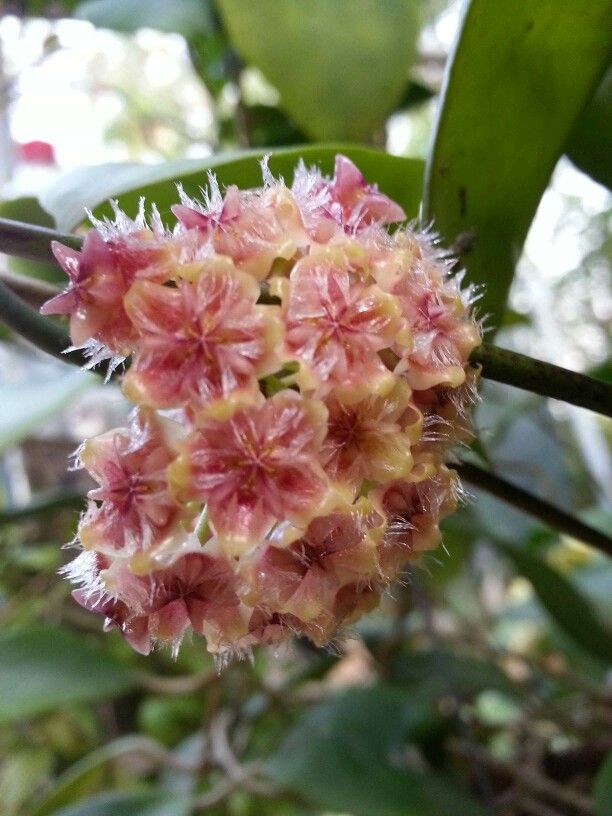
448 Best Hoya Images On Pinterest Succulents Hoya Plants And Wax Flowers

Hoya Pink Flowers Flowers Rose

Hoya Bella Hoya Plants Cactus And Succulents Pink Flowers

Hoya Parasitica Heartshaped Leaves Tropical Plants Hoya Plants

1704 Best Hoyas Images On Pinterest Wax Hoya Plants And Flower

Hoya Onychoides Hoya Archboldiana Pink In 2020 Hoya Plants

Hoya Calycina Even A Plant Novice Will Be Successful Growing A Hoya

Logeesplants Variegated Hindu Rope Hoya Carnosa Has Curled And Twisted

Hoya Patella Hanging Plants Indoor Hanging Plants House Plants

Hoya Carnosa Tricolor Tropische Zimmerpflanzen Hngepflanzen

Hoya Cv Pinkie Hoya Lover Jan In SWFLPhotos Of Hoya Flowers And

Hoya Plants HoyaPlants Twitter Hoya Plants Fragrant Flowers Plants
Post a Comment for "The Pink Hoya Plant: A Guide to Growing and Caring for this Beautiful Succulent"